Contact Erica for consulting, coaching, group or private training, and speaking opportunities.
Technology Leader | Speaker | Coach| Author

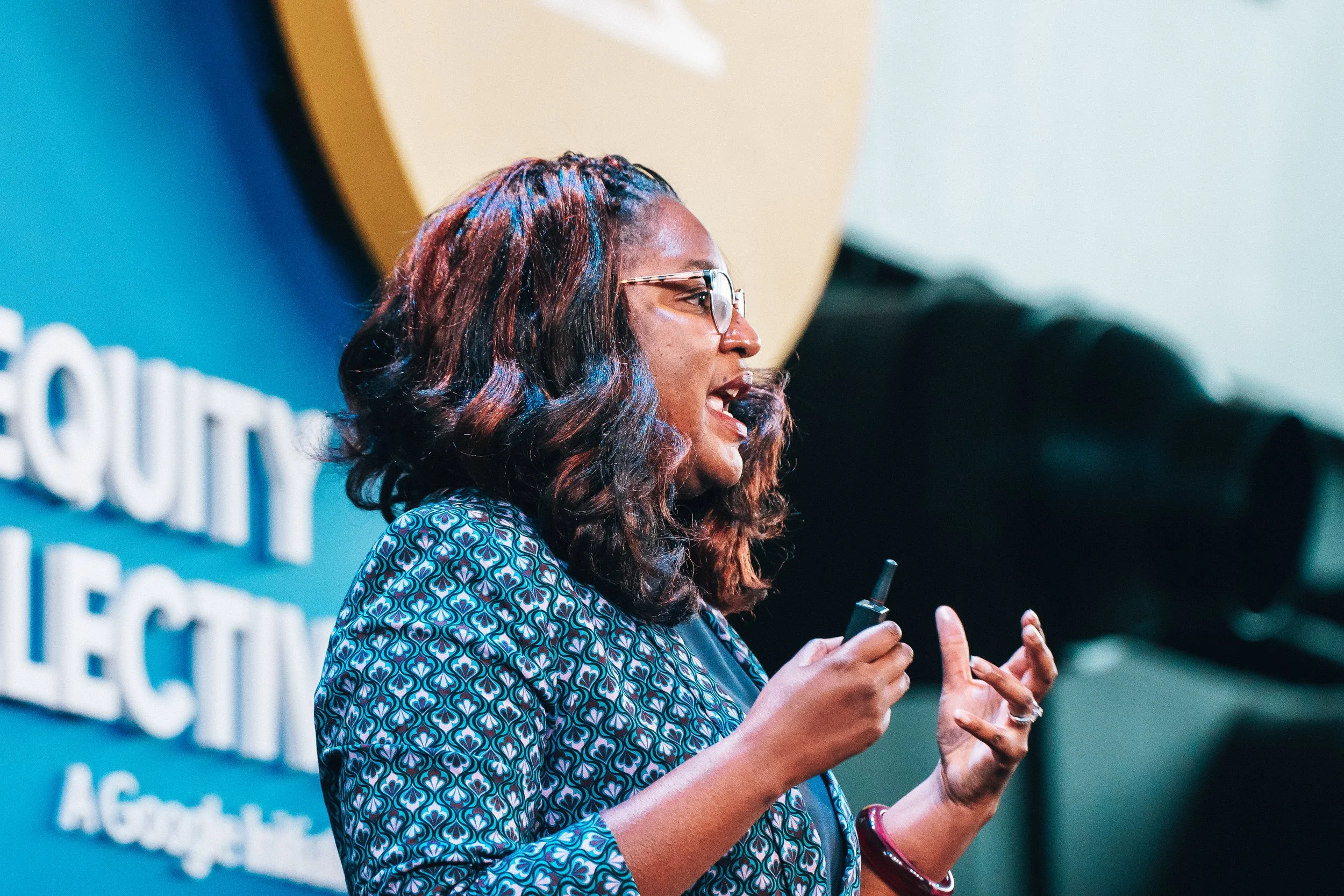
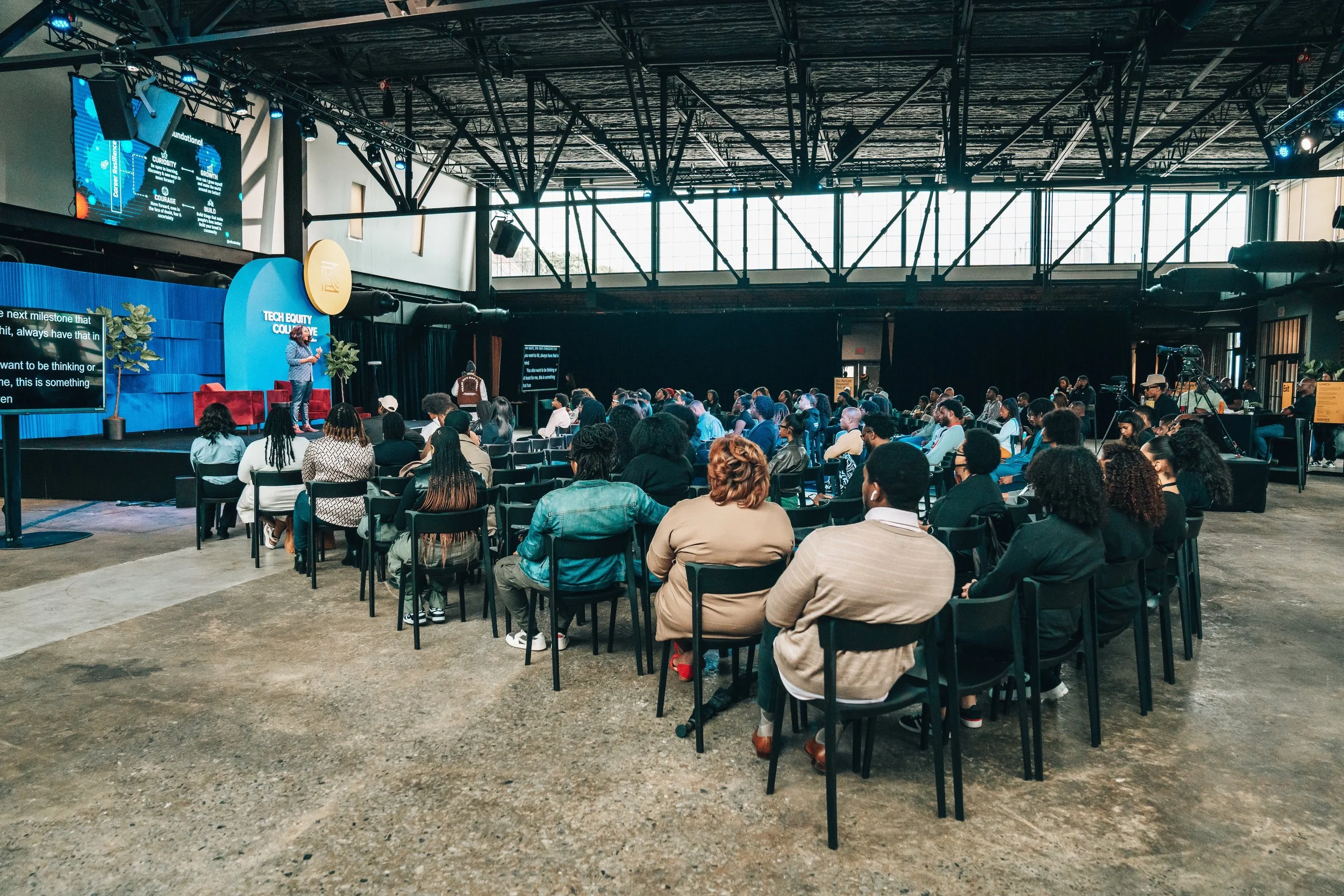
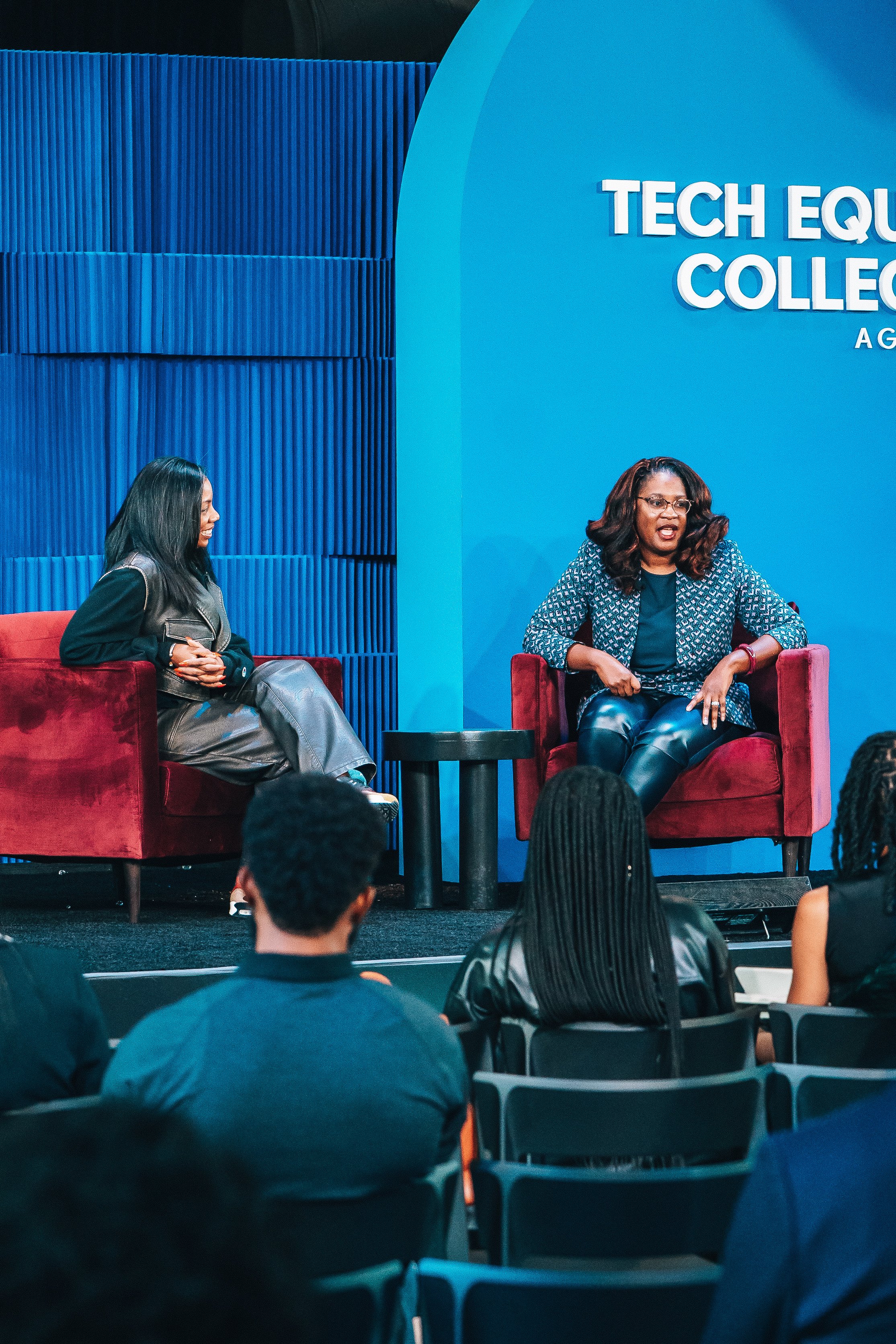
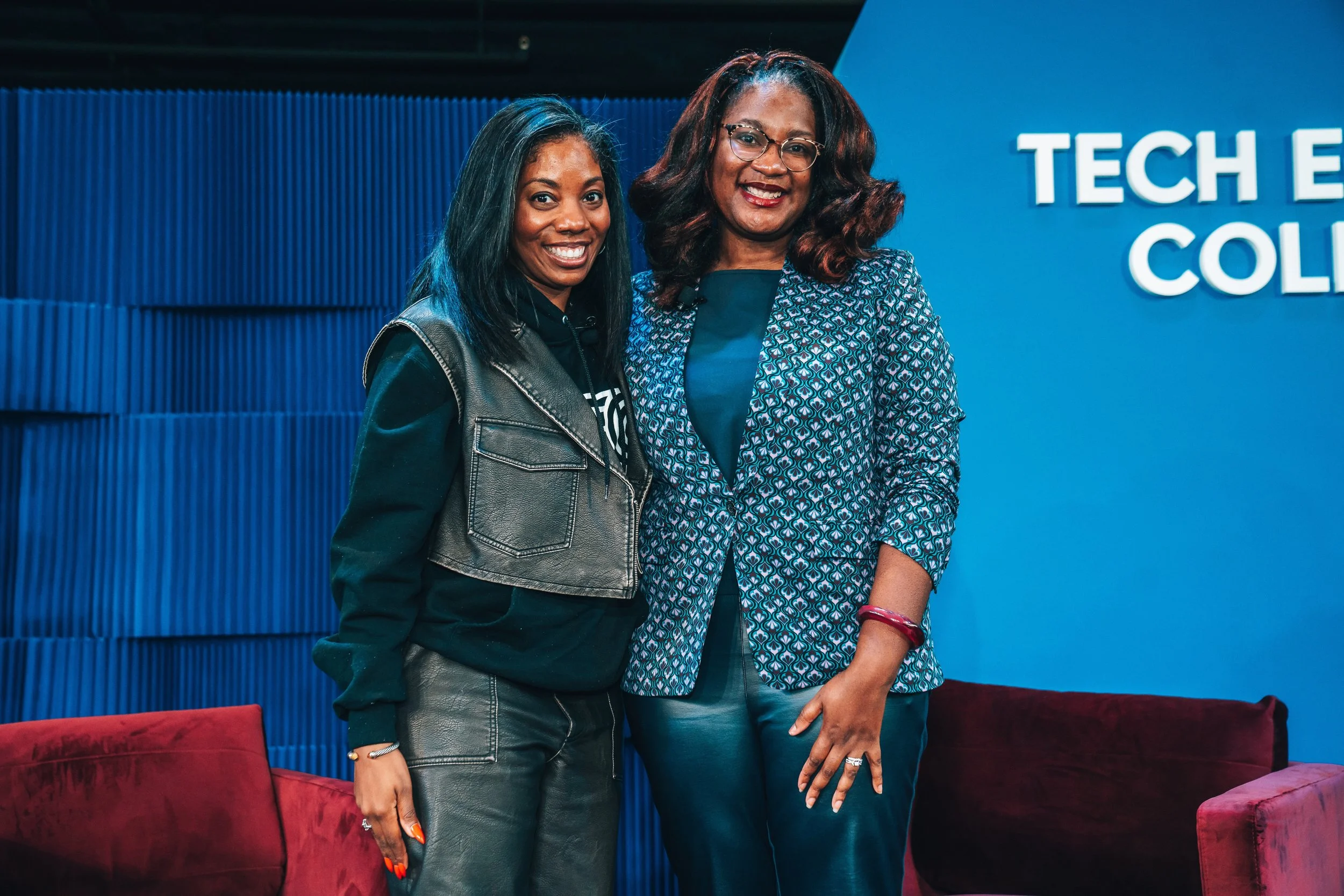
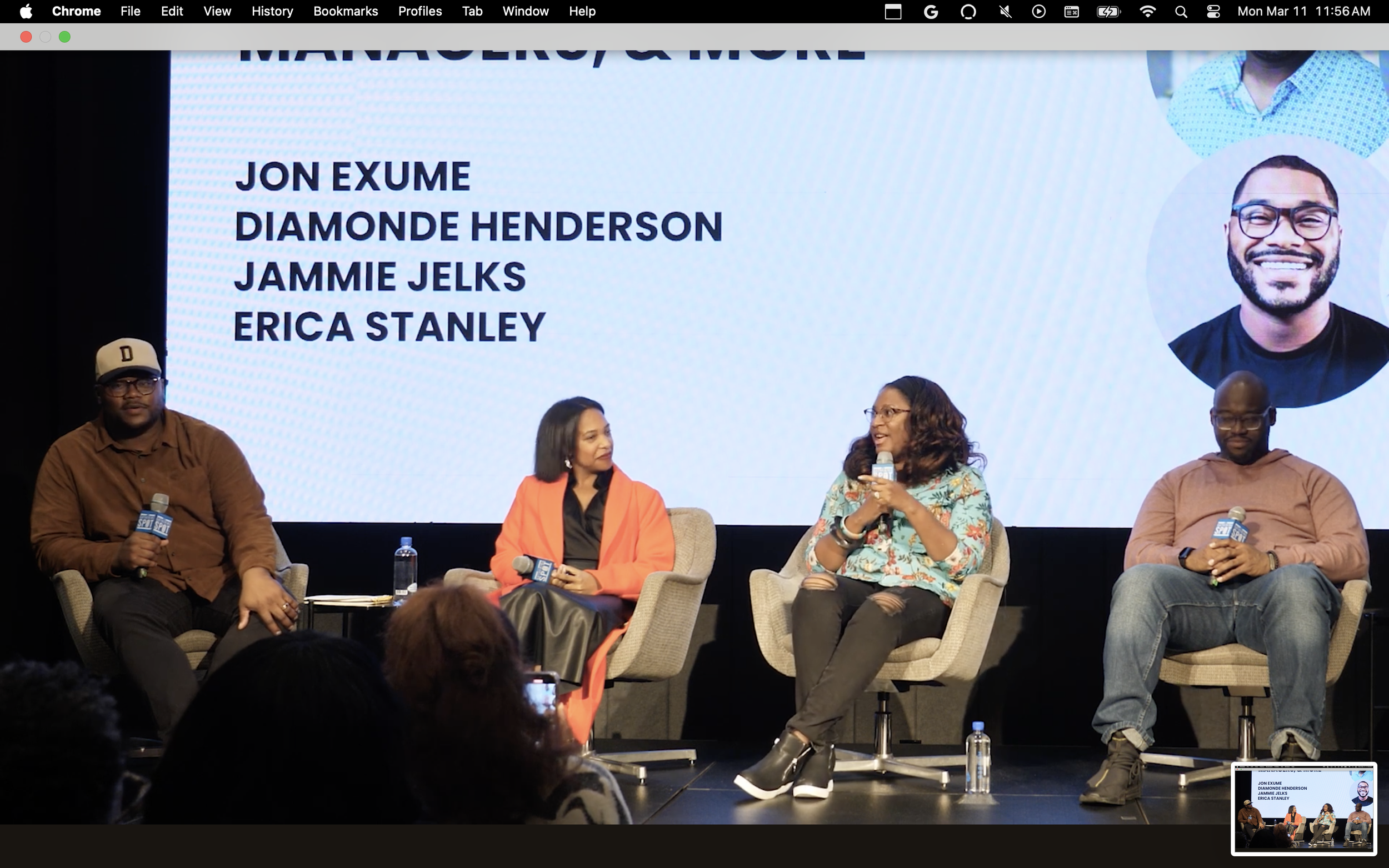
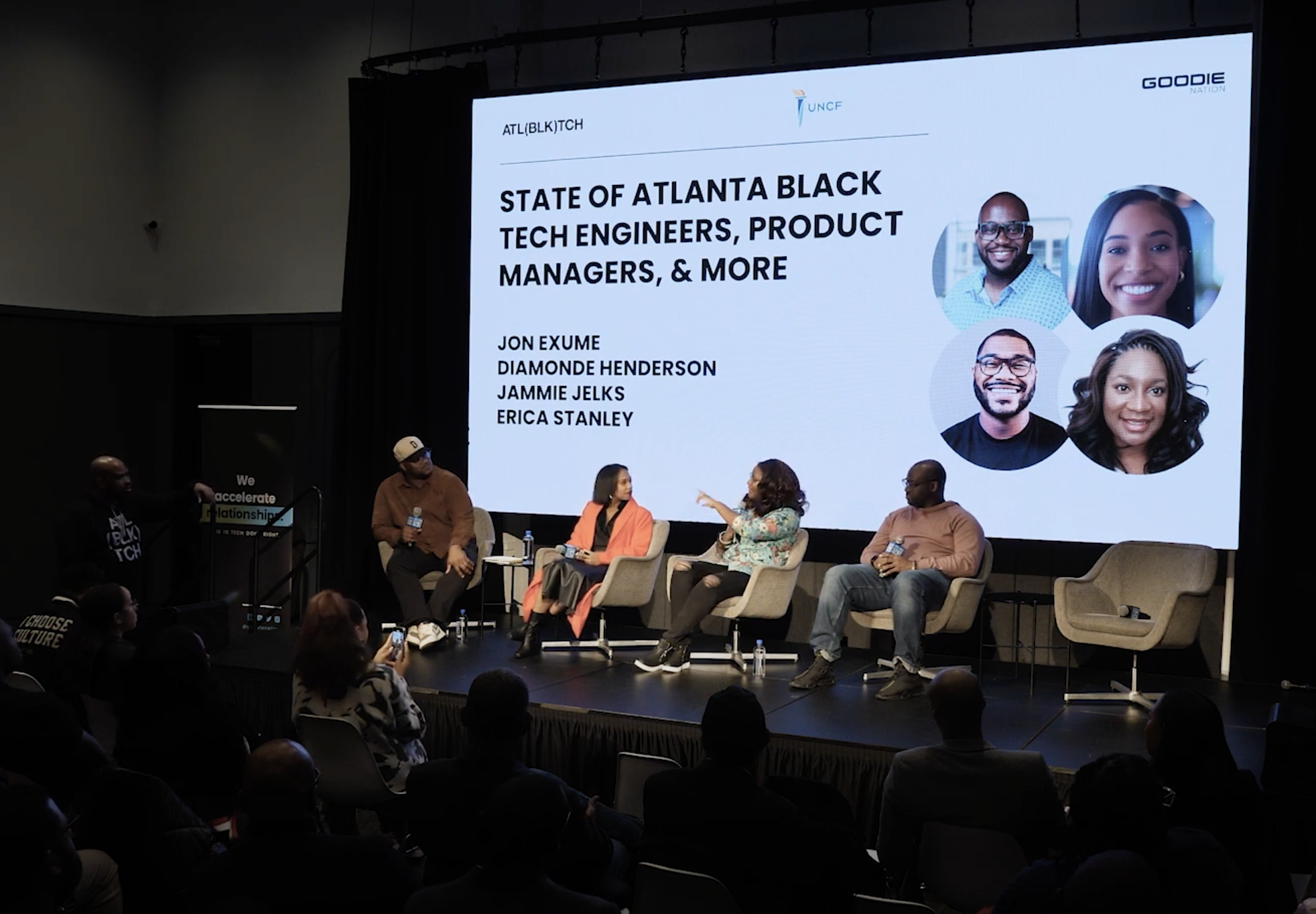
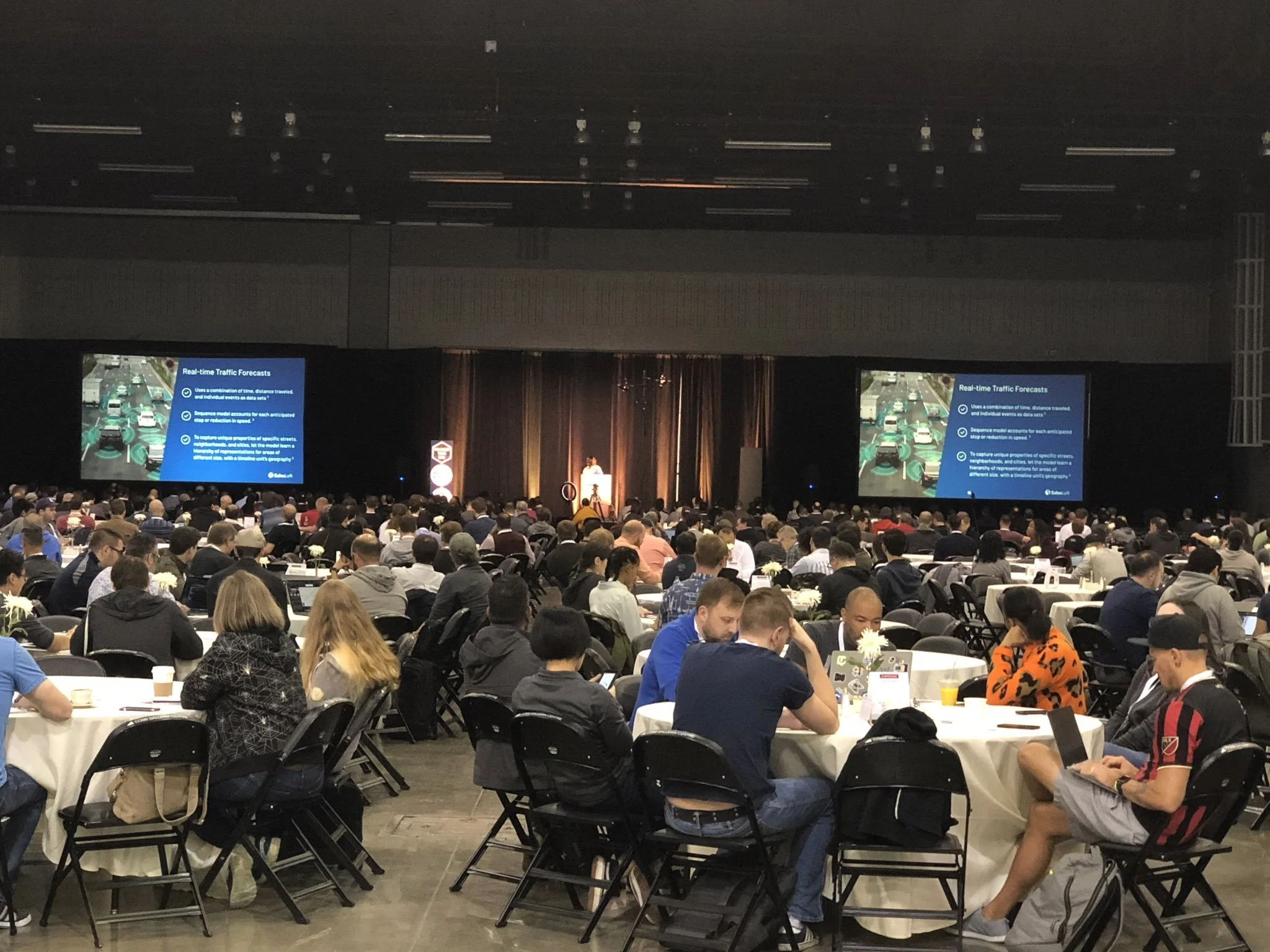
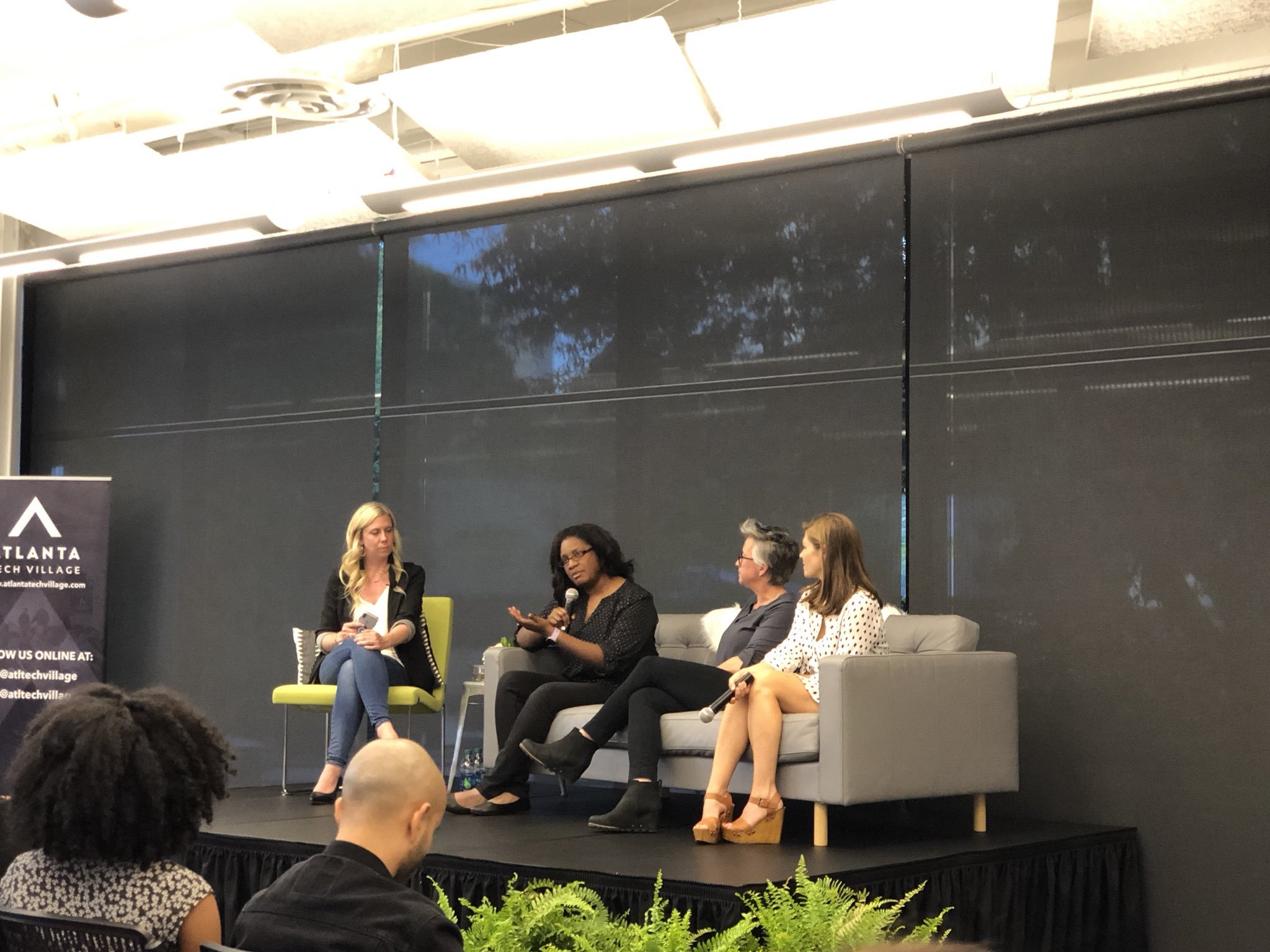
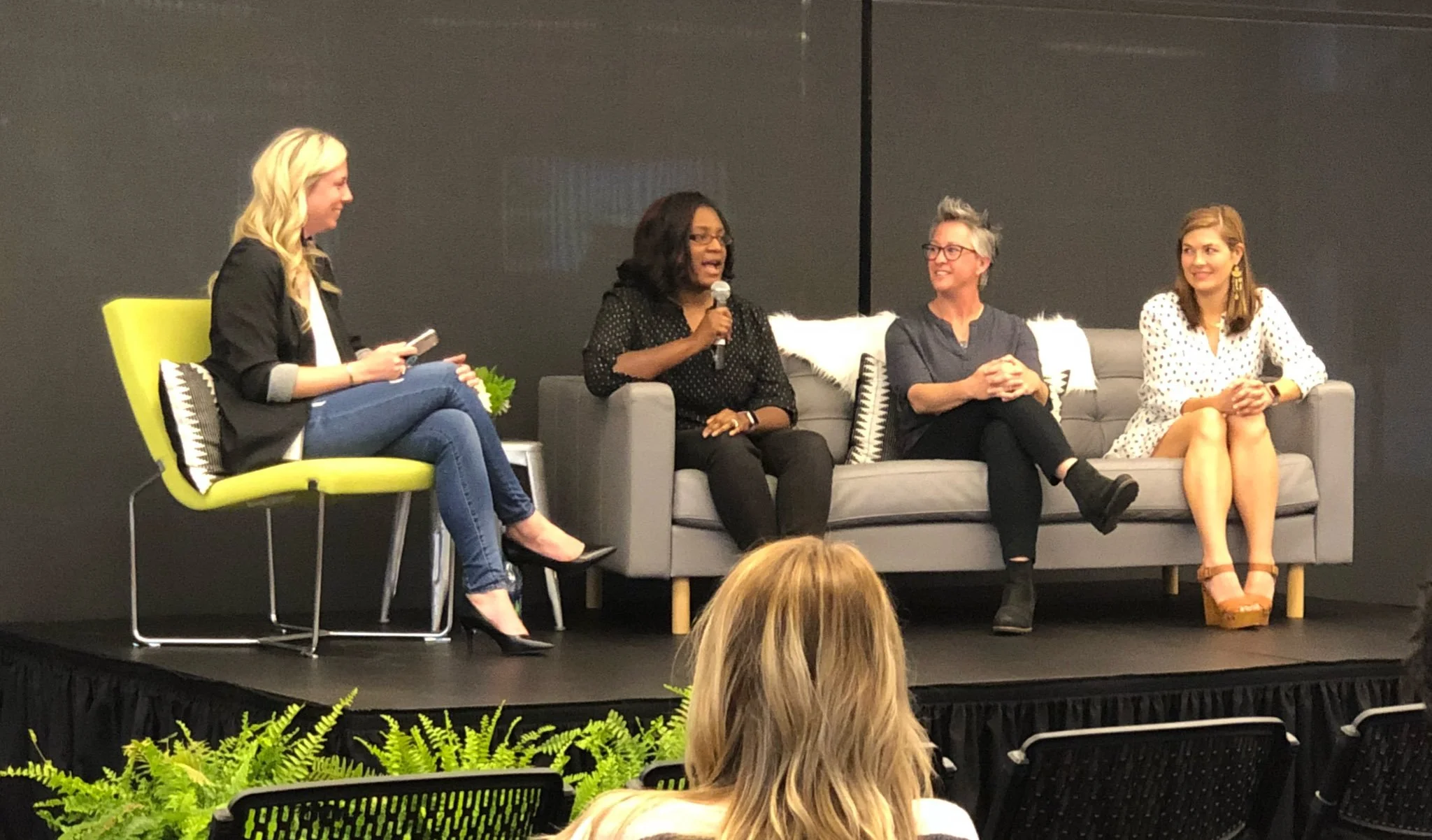
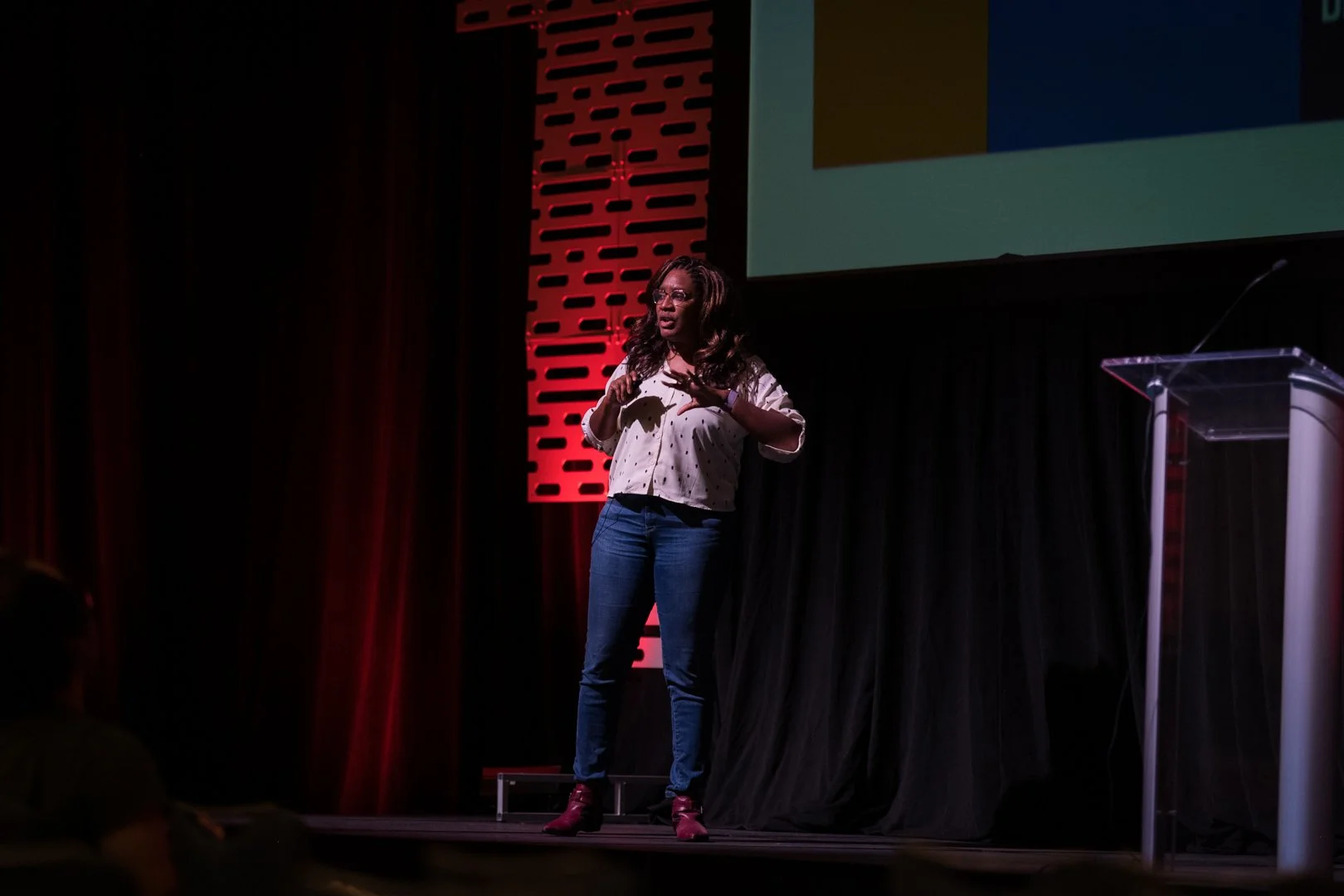
Opening Keynote, Tech Equity Collective INNOVATE, Atlanta, GA
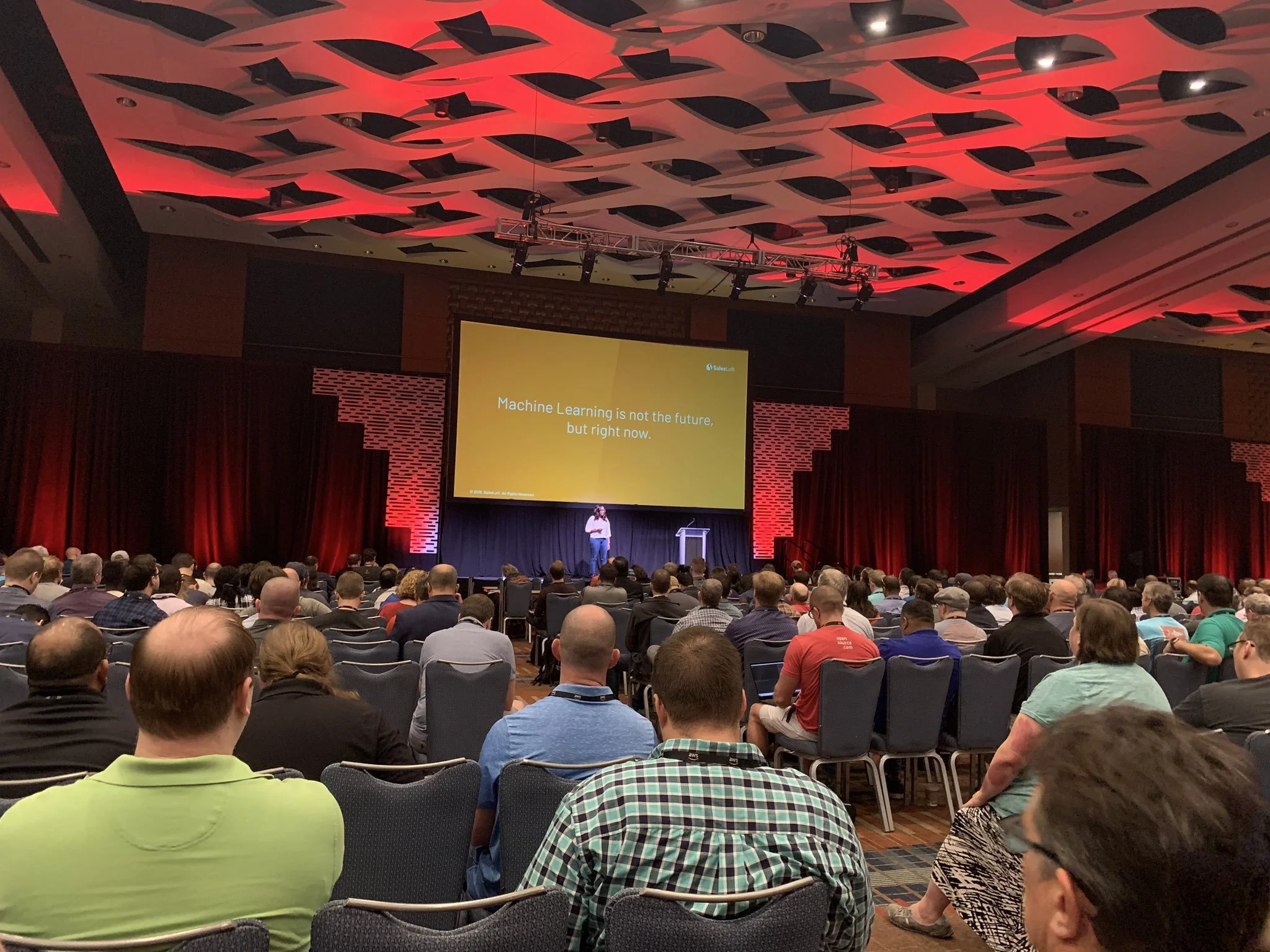
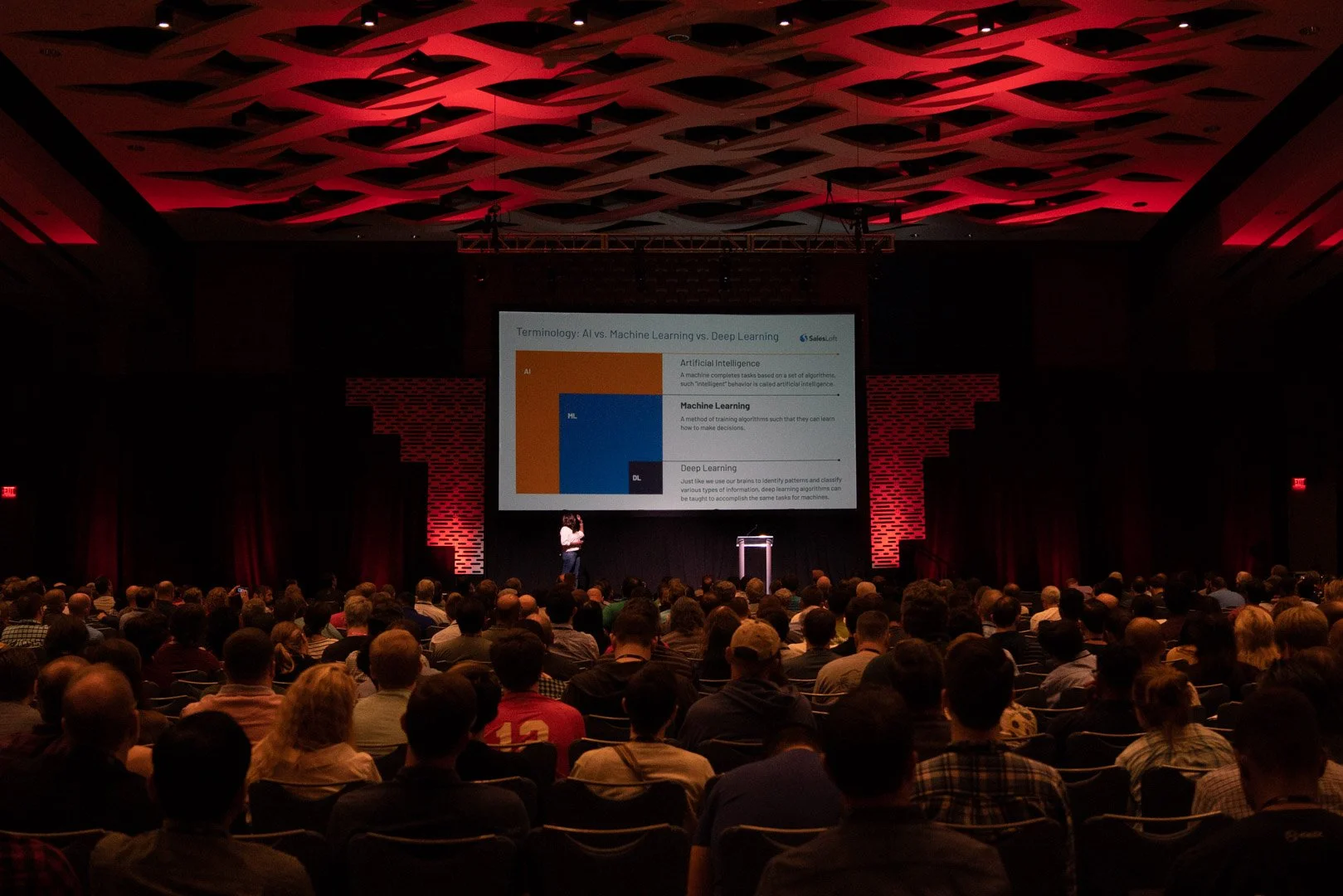
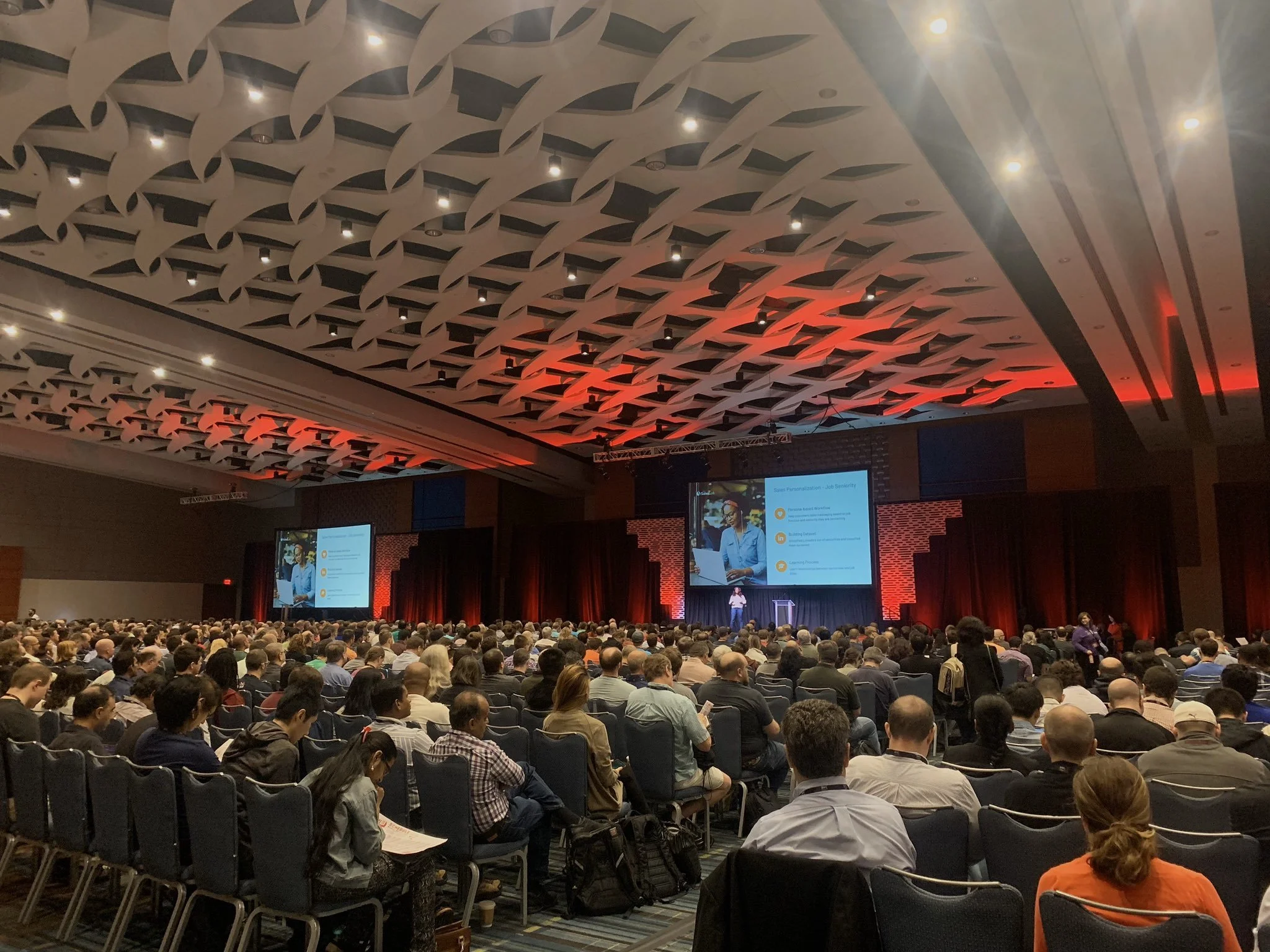
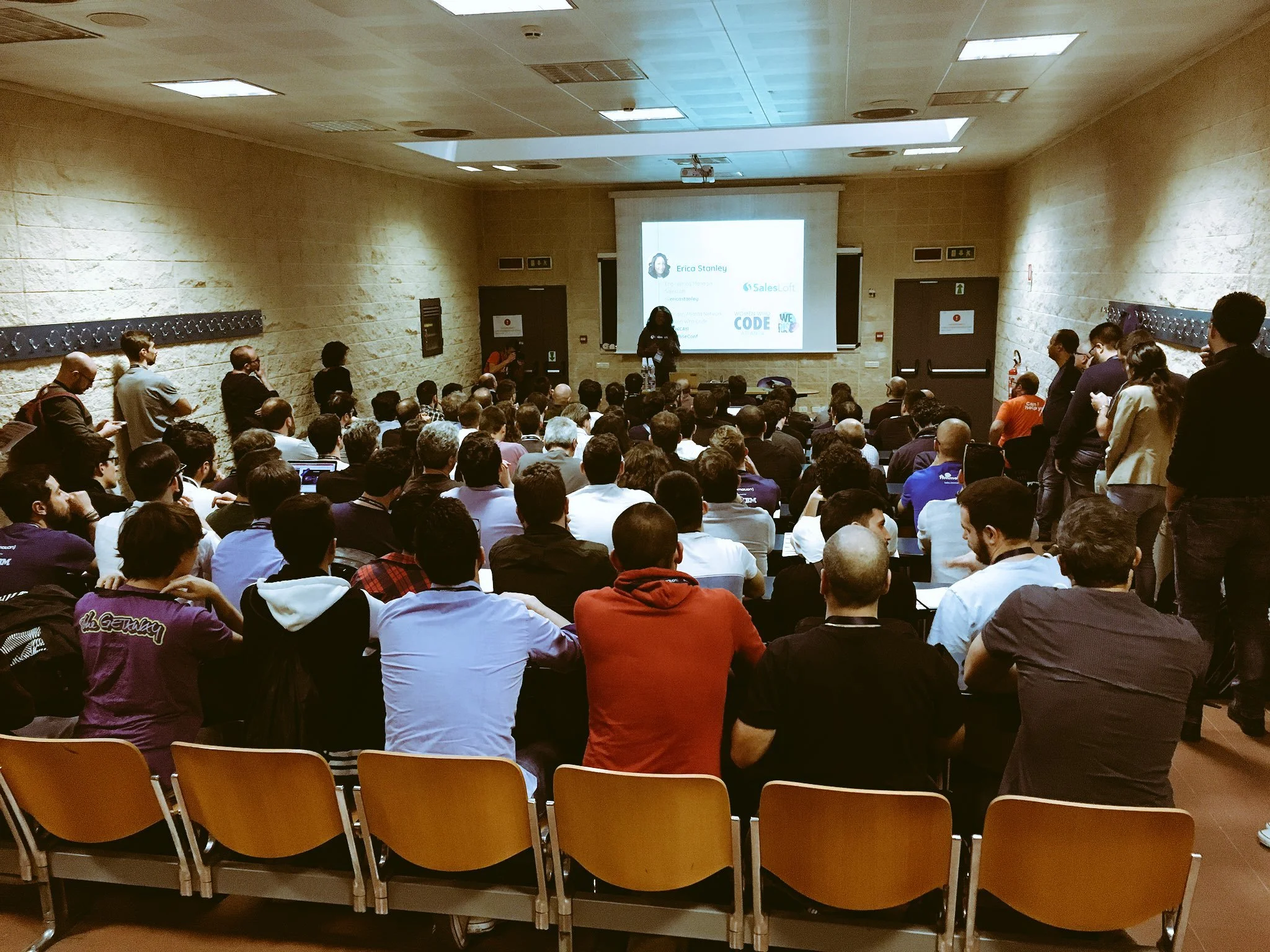
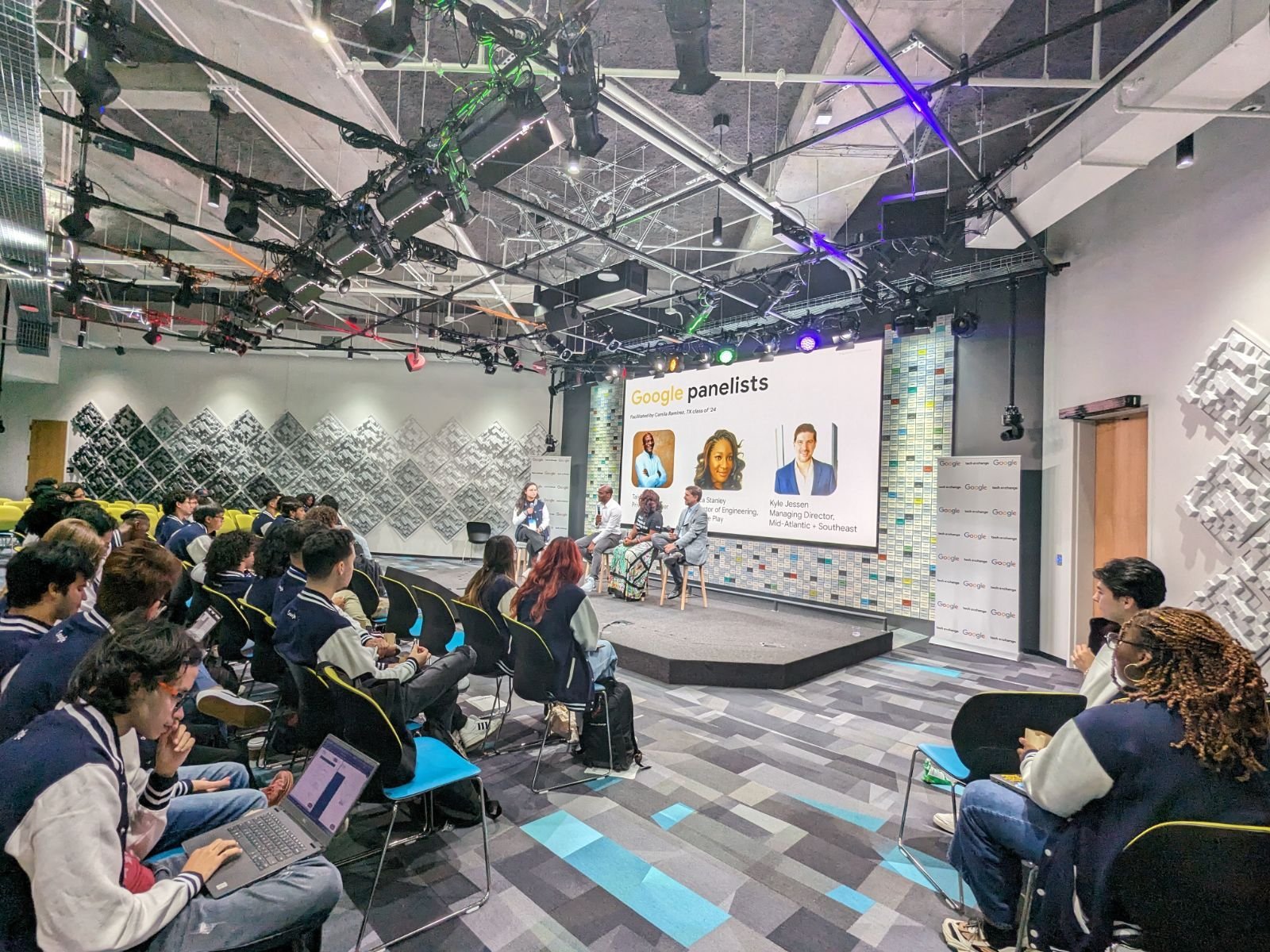
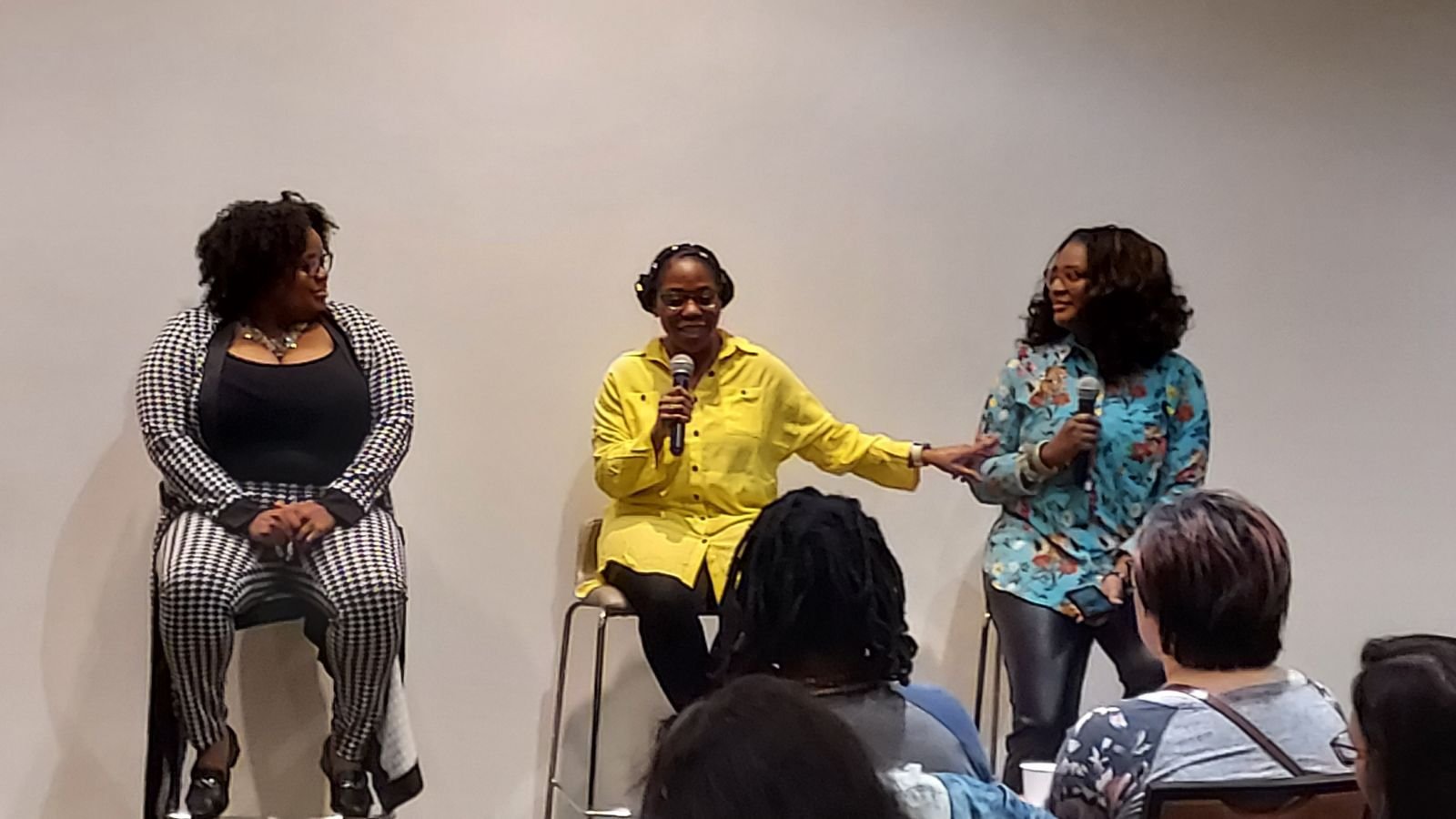
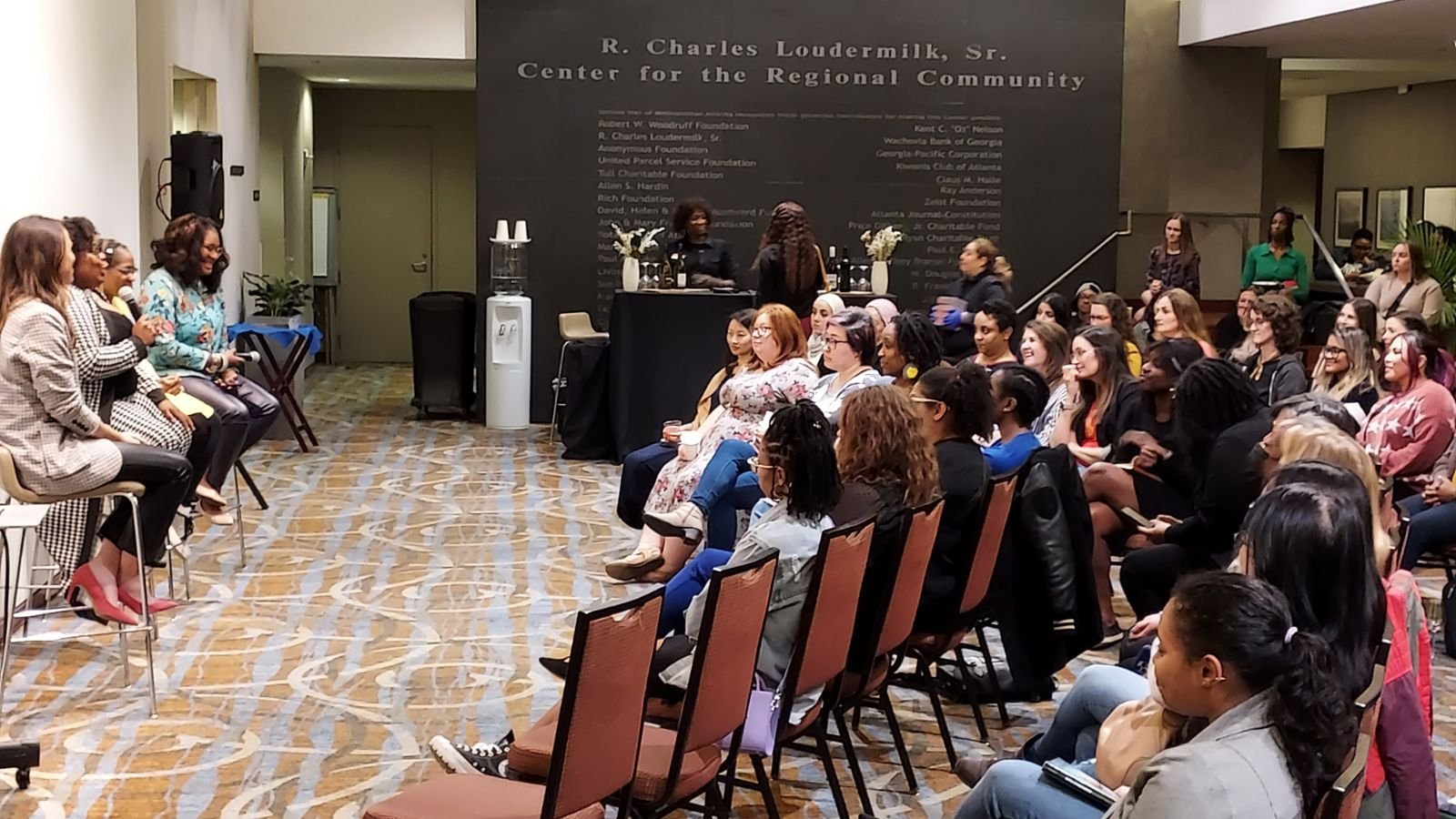
Erica has spoken on stages in 7 countries and led seminars and workshops for big tech, startups, and world-renowned academic institutions for over 10 years.
She works directly with leadership and organizers to craft learning experiences meant to address their unique audiences, opportunities, and challenges. She has a library of training solutions for everyone from staff and principal ICs to emerging leaders to seasoned executives.
“Nodding too many times as Erica spits wisdom in her talk. Have always gotten more than I bargained for when she speaks.”
I’ve Worked With



Lasting Impact
Delivering learning experiences that drive real growth
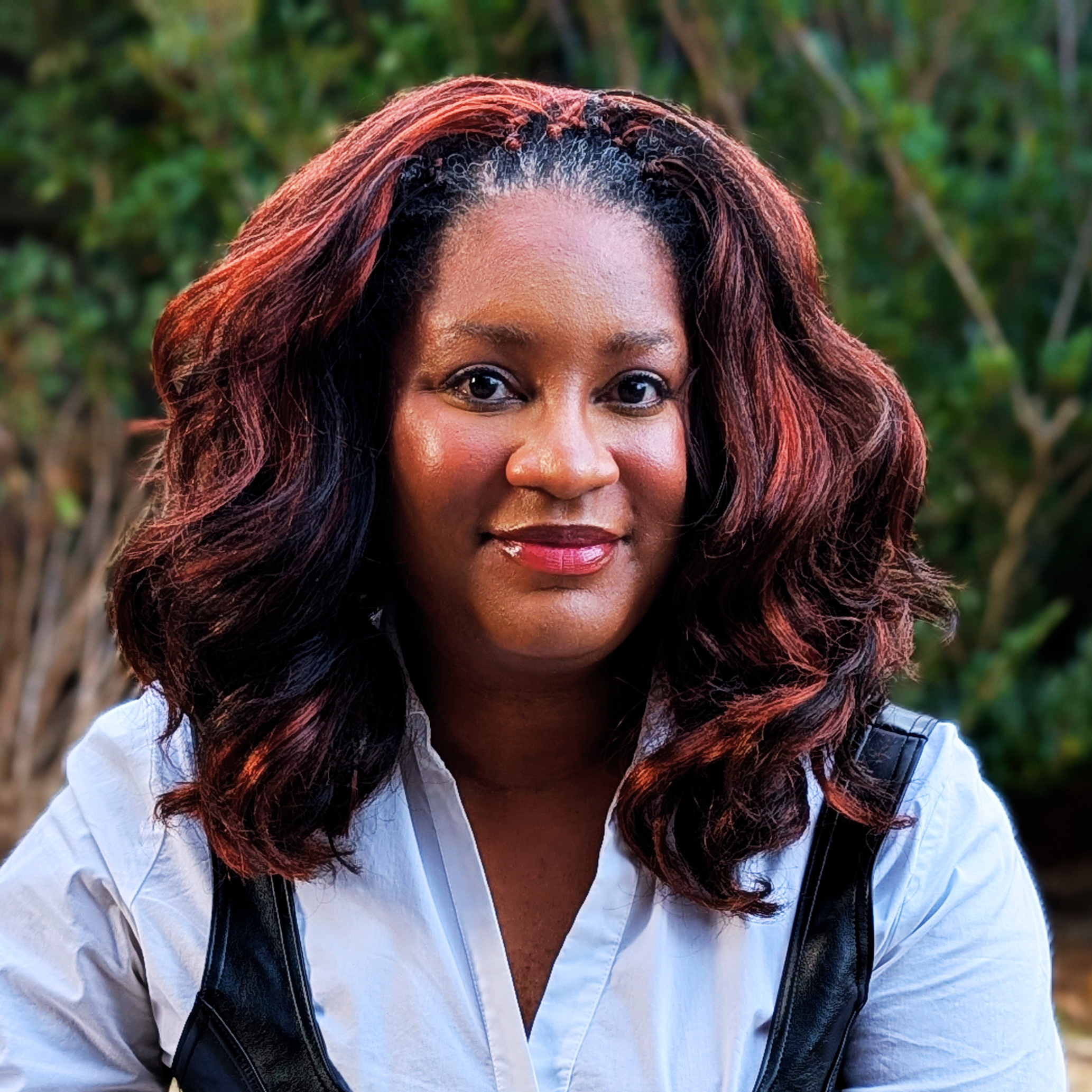
Erica Stanley is a tech executive, community organizer, responsible tech advocate and advisor, and author.
Most recently, she served as a Director of Engineering and site lead for Google Play Atlanta, as well as a startup advisor and angel investor for impact and community-driven startups. During her 25-year career, she’s worked in big tech, Fortune 500 companies, early-stage startups, and academia.
-
Early in her career, Erica cultivated a love for emerging tech in elite academic research groups, institutions, and agencies like the California Institute of Technology, NASA’s Kennedy Space Center, NOAA, Savannah River Ecology Laboratory, Georgia Institute of Technology, Brown University, the University of North Carolina at Chapel Hill, and Clark Atlanta University. She holds a B.S. and M.S. in Computer Science from Clark Atlanta University and has conducted postgraduate research at the University of North Carolina at Chapel Hill, where she specialized in 3D interactive graphics, simulation, data visualization, sensor optimization, and telepresence.
-
Driven by a passion for bringing emerging technologies into the mainstream, Erica transitioned to the startup space. She was an engineering lead at Spring Widgets, an Atlanta startup eventually acquired by MySpace. As an early, senior engineer at Vitrue, another Atlanta startup, she helped scale the company to a $300 million acquisition by Oracle.
-
As one of the first engineering leaders at Salesloft, a high-growth unicorn based in Atlanta, a two-time tech founder, investor, and startup advisor, she’s scaled engineering teams and culture, while navigating varying stages of growth. As a General Manager at Mozilla, she spearheaded emerging mixed reality (XR) products with a cross-functional team of leaders from product, engineering, user experience, trust and safety, and product marketing, reporting directly to the COO. As a Director of Engineering at Google, she led new product development for a global audience of billions of users.
-
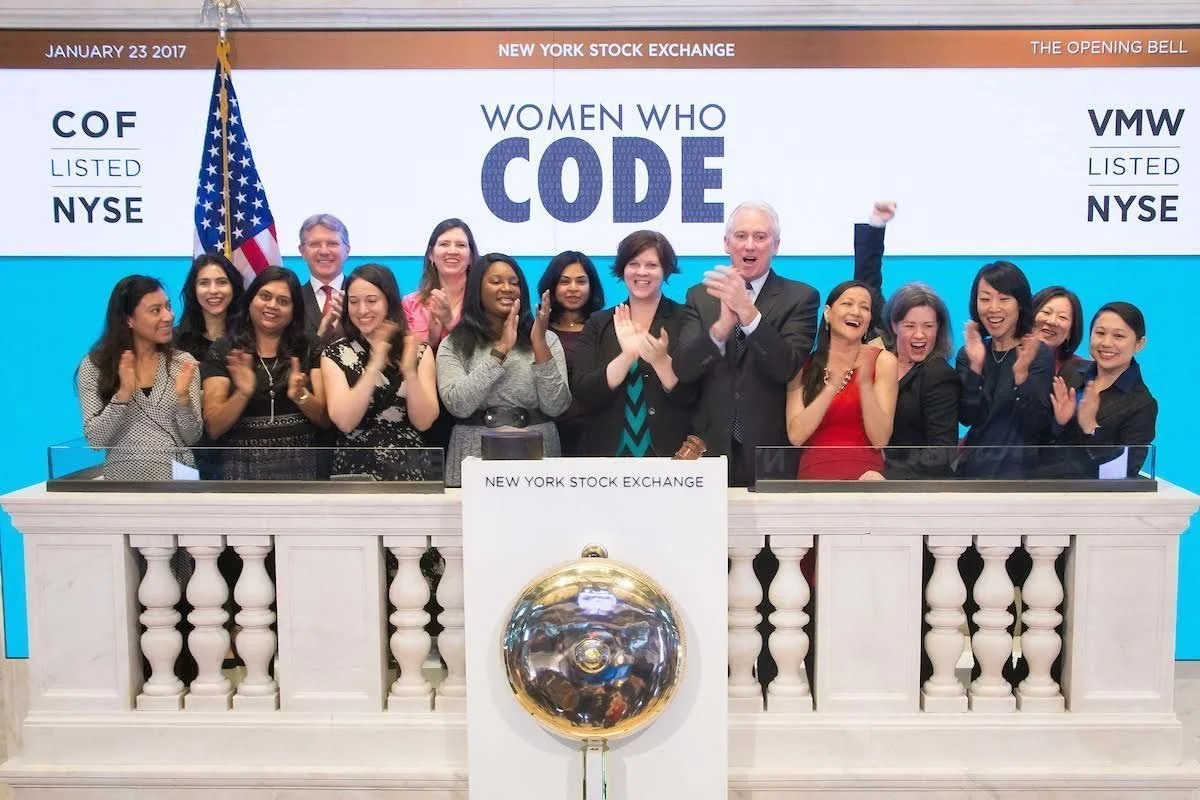
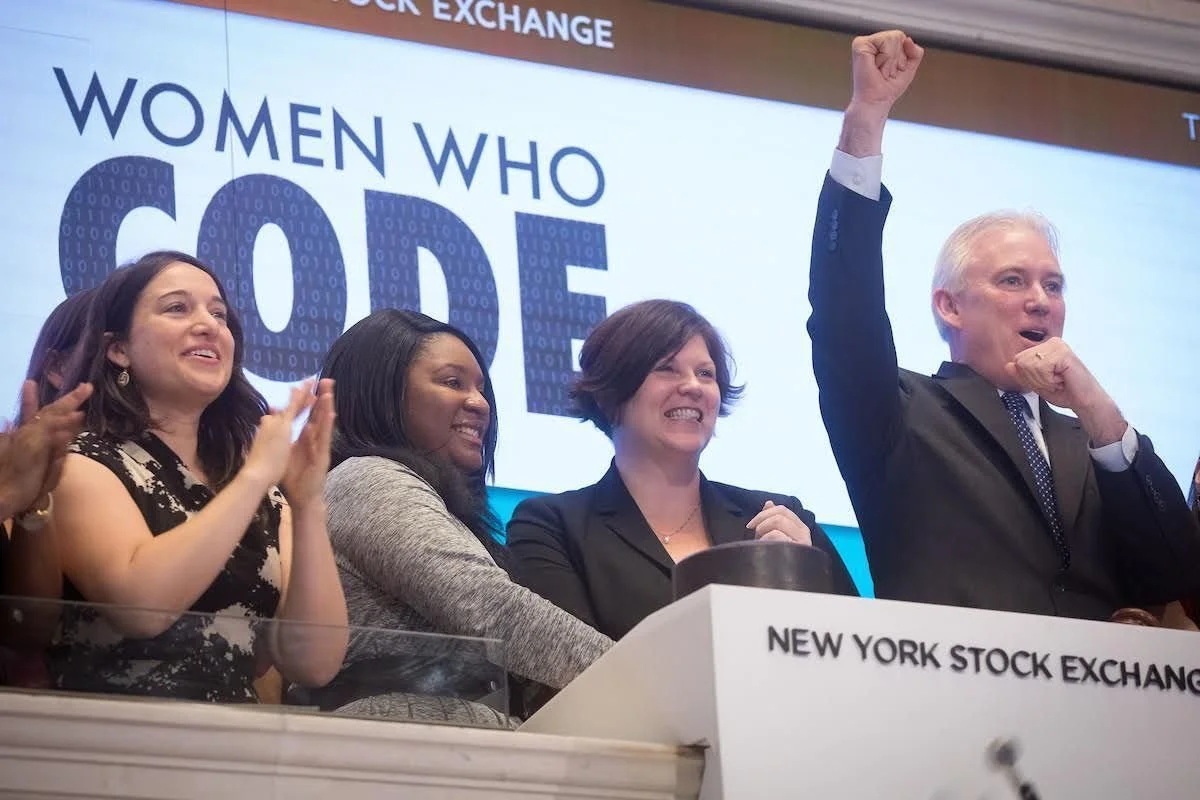
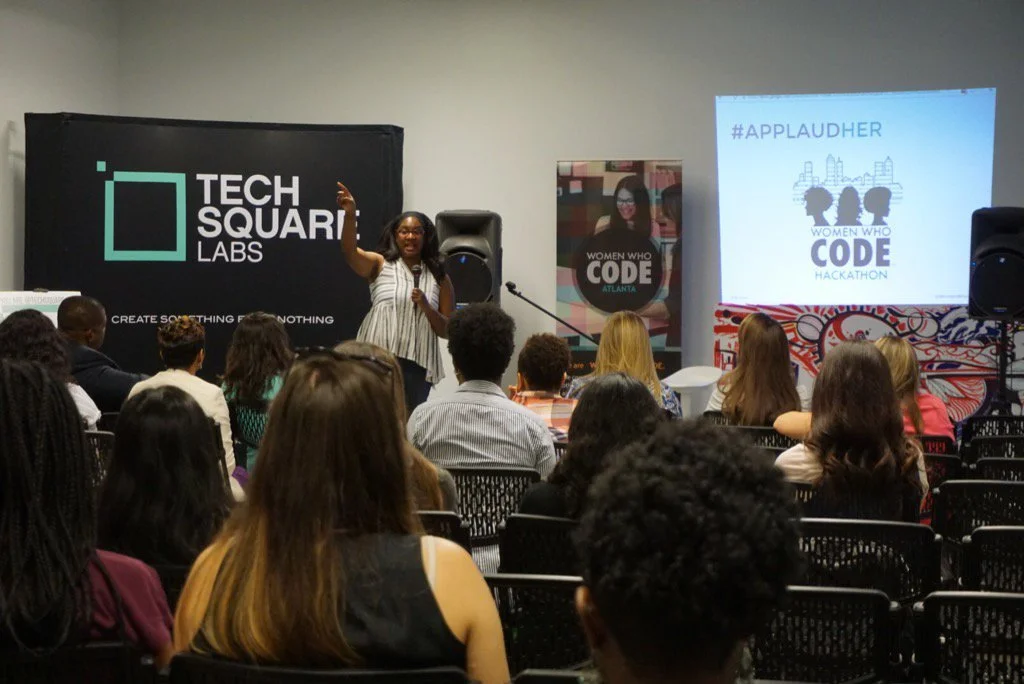
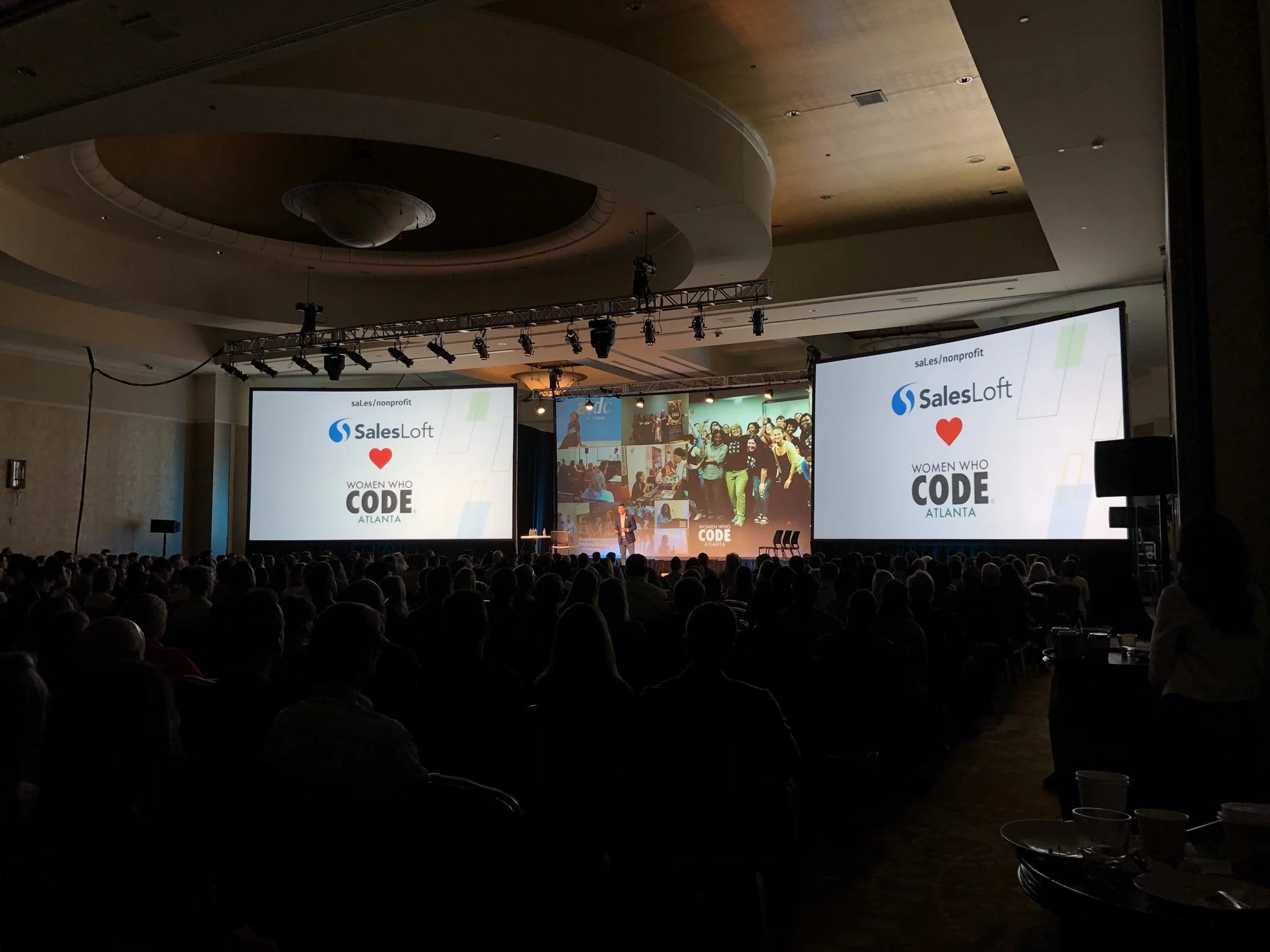
Erica is active in the Atlanta technology community. She helps develop and teach youth STEAM programs, speaks at conferences, and user groups, and mentors entrepreneurs for incubators and accelerators. She founded the Atlanta network of Women Who Code and co-founded REFACTR.TECH, a tech event series and community that showcases technologists from varied backgrounds.
Current Specialties
-
Workshop
Struggling to find your voice in meetings or presentations? Join us for a public speaking workshop led by Erica Stanley, a renowned engineering leader and champion for responsible tech. Erica will teach you the secrets to crafting presentations that grab attention and captivate your audience.
This workshop is designed for everyone from those new to public speaking to seasoned presenters looking to refine their skills. Learn how to overcome nerves, structure your arguments effectively, and use powerful language to get your message across with confidence. Don't miss this opportunity to develop the public speaking skills you need to advance your career!
-
Workshop, Roundtable
Learn the frameworks for having difficult conversations that will set us up for success in the future. But as with any framework, there will always be times when you have to adapt and alter your approach.
We’ll explore examples of real life situations and model the approaches in this framework.
-
Workshop, Keynote
Major changes to how our organizations work, from reorgs to strategy shifts to new teams, often expose growth areas in our organizational culture.
This session explores how leaders can examine proposed changes and prepare their teams to move from a culture that impedes progress to one that enables strategic change.
Key takeaways:
Helping our teams acknowledge and navigate necessary culture shifts will take time initially, but long-term, can help us move faster, with greater clarity and predictability
Clear examples where culture change supported our strategic change
How to map to the culture and values you need to support a proposed change
-
Workshop
This workshop helps leaders understand their team's existing culture and align it with desired outcomes. This involves identifying current behaviors, their outcomes, and the enablers and blockers that influence them.
We'll map these elements and visualize the relationships between them to reveal key insights. We'll then use the resulting culture map as a guide to identify areas for improvement and alignment with desired goals. The purpose of the exercise is to define a team culture focused on psychological safety, performance, and productivity.The culture mapping process aids in making informed decisions for interventions and securing support for organizational initiatives.
-
Keynote, Workshop, Roundtable
This session highlights the interconnectedness of organizational design, team structures, and the successful adoption of AI, with lessons learned from different teams and companies.
Successful AI adoption is deeply influenced by organizational design and team structures. With strategic organization design, teams can manage cognitive load and establish clear boundaries for both human and AI agents.
This intentional design, guided by Team Topologies principles, helps avoid the pitfalls of uncoordinated AI adoption, reduces friction, and minimizes the accruing "sociotechnical debt" of AI, paving the way for sustainable and impactful AI solutions.
-
Keynote
A strong, well-communicated technical strategy can empower your leaders and teams, help increase velocity and set a stage for quality. A resilient, forward-looking strategy can act as a North Star, guiding your organization in times of change. But how can we tap into these superpowers? How can we build a resilient technical strategy? And if there are superpowers, is there also strategy Kryotonite? We'll discuss these topics and more, while walking through examples where strong tech strategy gave teams the power to leap tall OKRs in a single bound.
-
Keynote
Our engineering workflow revolves around our code review process, increasingly so in today’s remote and hybrid teams. Code reviews are more than just a way to ensure we don’t introduce new bugs into the codebase. They have become pillars of our team’s engineering culture—ensuring code quality, encouraging collaboration, and providing valuable teaching and learning opportunities.
We’ll look at the ways our code review process can define, reflect, and reinforce our teams' culture. These methods can be useful whether we're building and managing engineering teams at startups, large companies or open source communities--co-located or across the globe.
We’ll walk through the process with actual pull requests and identify best practices for more productive code reviews.
-
Workshop, Code Lab, Keynote
While LLMs offer exciting new capabilities, their immense computational demands, high costs, and data privacy risks are becoming increasingly apparent. In this session, we’ll challenge the singular focus on massive Large Language Models (LLMs), in favor of open source Small Language Models (SLMs) and supporting techniques.
SLMs can boost performance for specialized tasks, often outperforming larger models with faster inference. For privacy, SLMs allow local deployment and data control, meeting critical compliance needs. Their efficiency can translate to much lower computational requirements and reduced operational costs. Crucially, SLMs support sustainability by consuming a fraction of energy, significantly cutting AI's environmental footprint.
This session illuminates how a sophisticated, multi-tool approach to AI is vital for building a more responsible, efficient, and inclusive AI future.
-
Keynote
I was once that engineer that thought she would never move into management. I loved coding my days, and often nights away. Why would I ever want to stop? My ideas about management began to change once I started the Atlanta network of Women Who Code. I've learned so much about the people challenges we face in tech, while also learning how to empower the people around me to get big things done. What I didn't realize until years later was how these experiences were preparing me to build inclusive teams and lead and motivate engineers from various backgrounds to work collaboratively. This session will share some of my lessons learned as a community leader and how I've applied them in my role as an engineering manager. We'll also discuss ways building communities can help companies grow their team and their engineering brand.
Available for



“Erica is a phenomenal leader, coach, multiplier, mentor, and organizer. Your event gets an instant upgrade when she’s in the building.”
Media
“Erica is incredible and shared things that made me a better leader!”